Optimal Timing for Driveway Culvert Installation
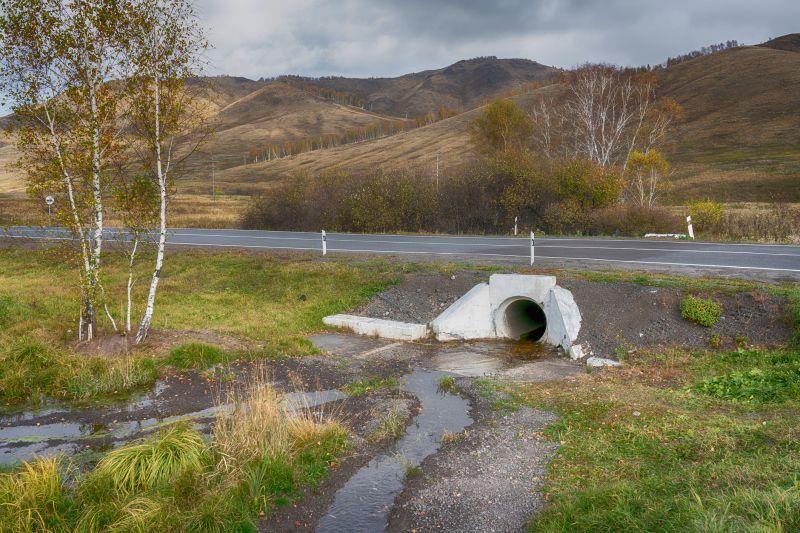
Ways to make Driveway Culvert Installations work in tight or awkward layouts.
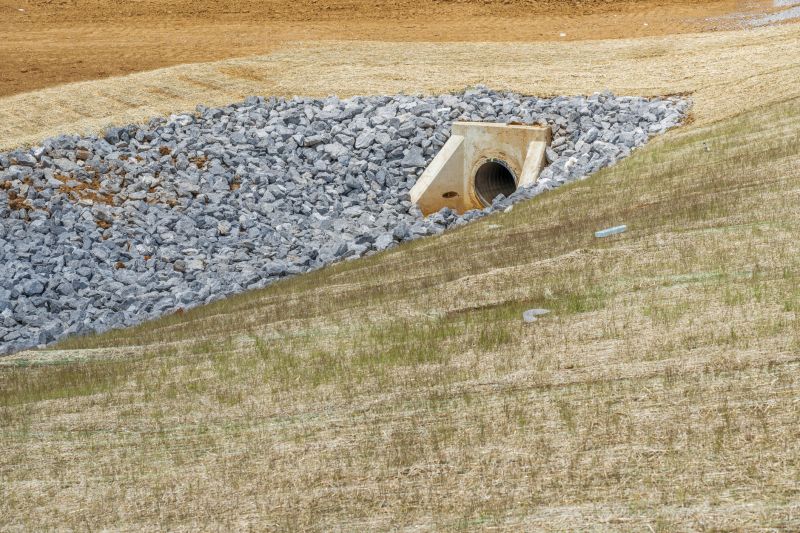
Popular materials for Driveway Culvert Installations and why they hold up over time.
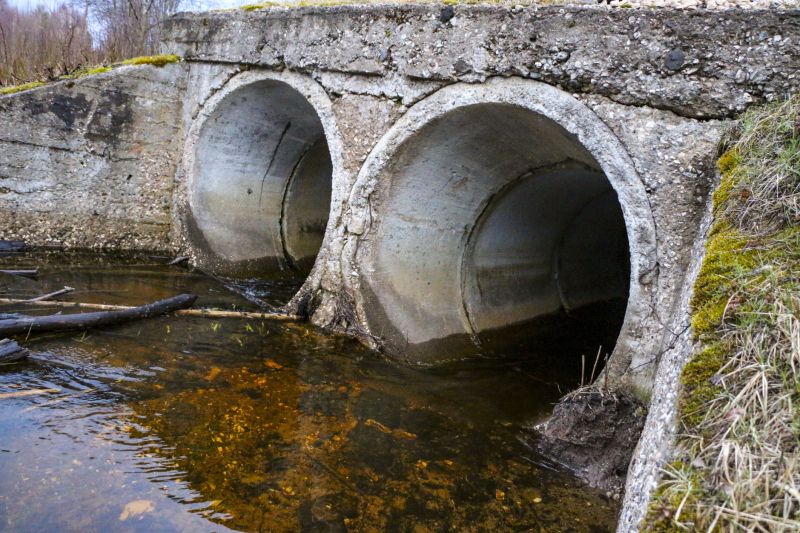
Simple add-ons that improve Driveway Culvert Installations without blowing the budget.
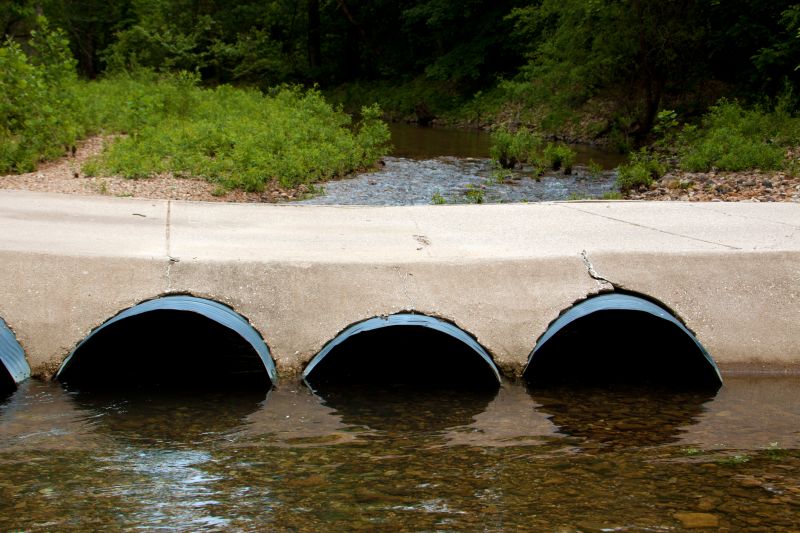
High-end options that actually feel worth it for Driveway Culvert Installations.
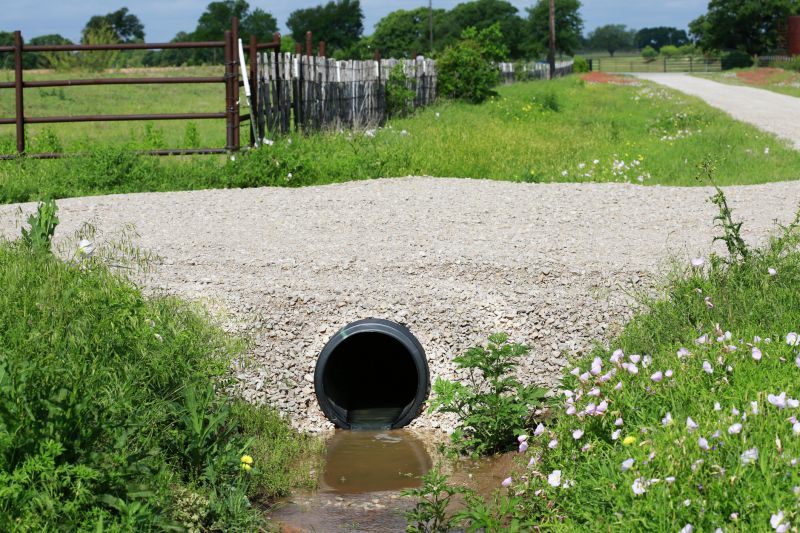
Finishes and colors that play nicely with Driveway Culvert Installations.
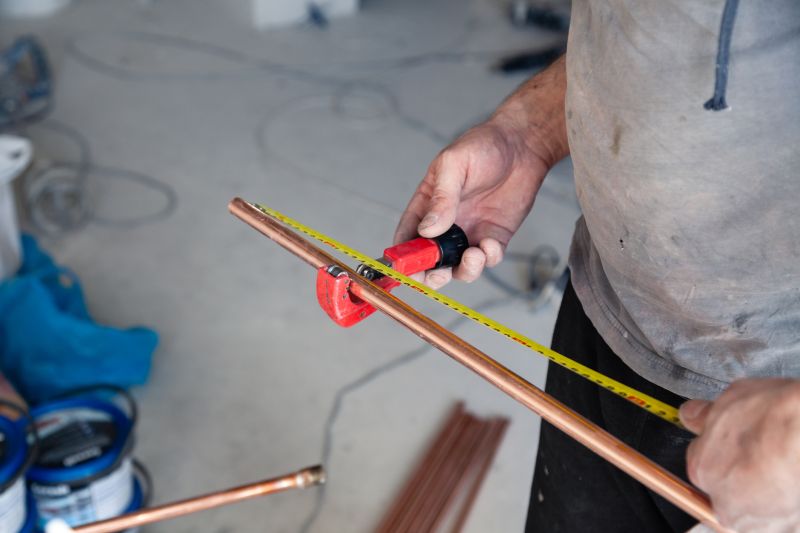
Little measurements that prevent headaches on Driveway Culvert Installations day.
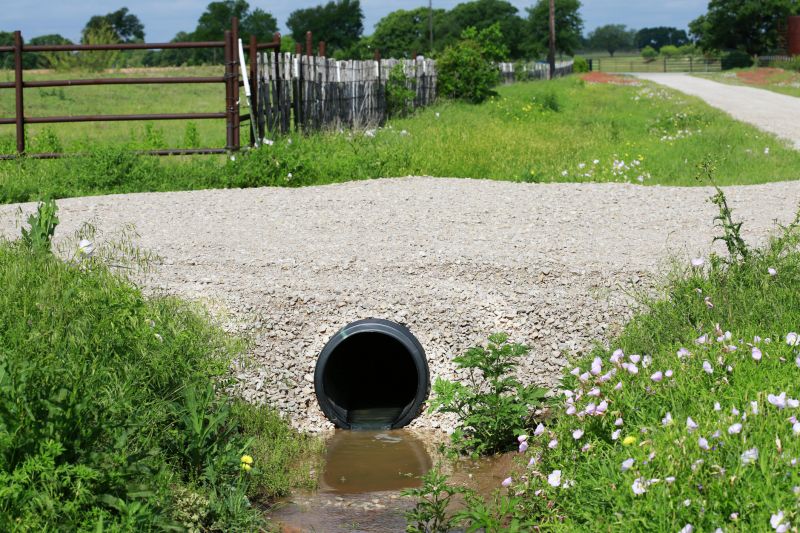
A 60-second routine that keeps Driveway Culvert Installations looking new.
A frequent mistake in Driveway Culvert Installations and how to dodge it.
Driveway culvert installations are essential for managing water flow and preventing erosion. Proper timing ensures optimal conditions for installation, durability, and minimal disruption. Installation during suitable weather conditions can extend the lifespan of the culvert and reduce maintenance needs.
Statistics indicate that the most favorable periods for driveway culvert installation are during dry seasons when ground conditions are stable. Installing in wet or frozen conditions can lead to complications such as poor bedding, shifting, or damage to the culvert structure. Planning installations during mild weather also minimizes delays and additional costs.
Spring and late summer to early fall are generally recommended for driveway culvert installations due to moderate weather conditions.
Heavy rain or freezing temperatures can hinder installation and compromise the integrity of the culvert.
Scheduling during dry periods allows for better site preparation, reducing the risk of soil erosion and ensuring proper drainage.
Mild weather conditions typically result in faster installation times and better material performance.
| Aspect | Details |
|---|---|
| Best Seasons for Installation | Spring, late summer, early fall |
| Weather Conditions to Avoid | Heavy rain, freezing temperatures |
| Ground Stability | Stable, dry ground preferred |
| Installation Duration | Shorter in mild weather |
| Environmental Impact | Less risk during dry seasons |
| Long-term Durability | Enhanced by proper timing |
| Preparation Needs | More effective in dry, stable conditions |