Expert Driveway Culvert Installations for Smooth Drainage
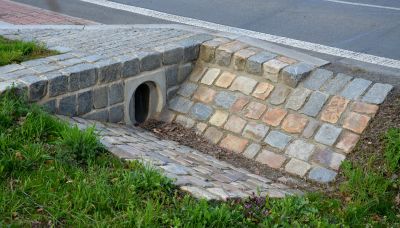
A well-installed culvert provides effective water management and structural support for driveways, ensuring longevity and safety.
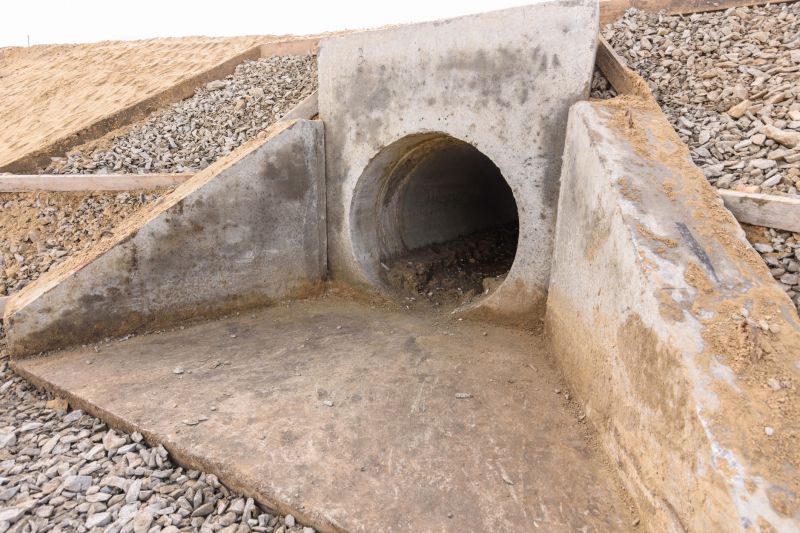
Excavation prepares the site for precise culvert placement, which is essential for proper drainage and driveway stability.
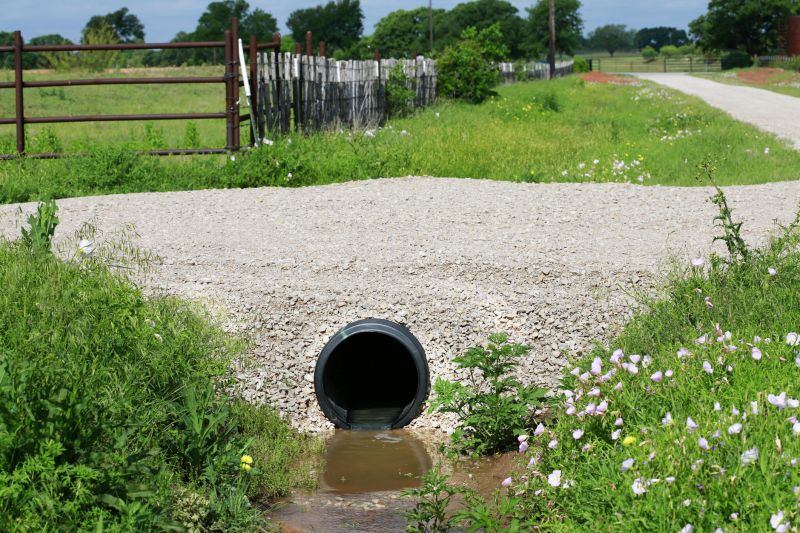
The final installation showcases a durable culvert that seamlessly integrates with the driveway, supporting traffic flow and water diversion.
Driveway culvert installations are critical for managing water runoff and preventing erosion around residential and commercial properties. Properly installed culverts facilitate the safe passage of water beneath driveways, reducing the risk of flooding and structural damage. On average, professional installation of a driveway culvert can take between one to two days, depending on site conditions and project complexity. Skilled contractors ensure that culverts are correctly positioned, graded, and secured to withstand environmental stresses and traffic loads.
The process involves site assessment, excavation, culvert placement, backfilling, and final grading. Each step requires precision to ensure effective water flow and durability. Hiring experienced professionals is recommended because proper installation minimizes future maintenance needs and enhances the longevity of the driveway. They utilize specialized equipment and techniques to achieve optimal results, ensuring the culvert functions effectively for years to come.
Evaluating the site to determine the optimal location and size for the culvert, considering water flow and driveway layout.
Digging trenches to the correct depth and width, preparing the foundation for secure culvert placement.
Positioning the culvert accurately and ensuring it is stabilized to prevent shifting or damage.
Refilling the excavation with suitable material and grading the driveway for proper drainage.
| Aspect | Details |
|---|---|
| Average Installation Time | 1-2 days |
| Common Culvert Materials | PVC, corrugated metal, concrete |
| Typical Sizes | 12 to 36 inches in diameter |
| Site Preparation Cost | Variable based on site complexity |
| Maintenance Frequency | Periodic inspections recommended |
| Water Flow Capacity | Depends on culvert size and design |
| Durability Factors | Material quality, installation precision |
| Environmental Considerations | Proper grading to prevent erosion |
The durability and effectiveness of driveway culvert installations depend on precise engineering and quality materials. Properly installed culverts can handle significant water volumes, preventing pooling and erosion. Regular inspections ensure that the culverts remain functional and free of debris, prolonging their service life. When considering a culvert installation, engaging experienced professionals guarantees that the project adheres to best practices and local regulations, resulting in a reliable drainage solution.
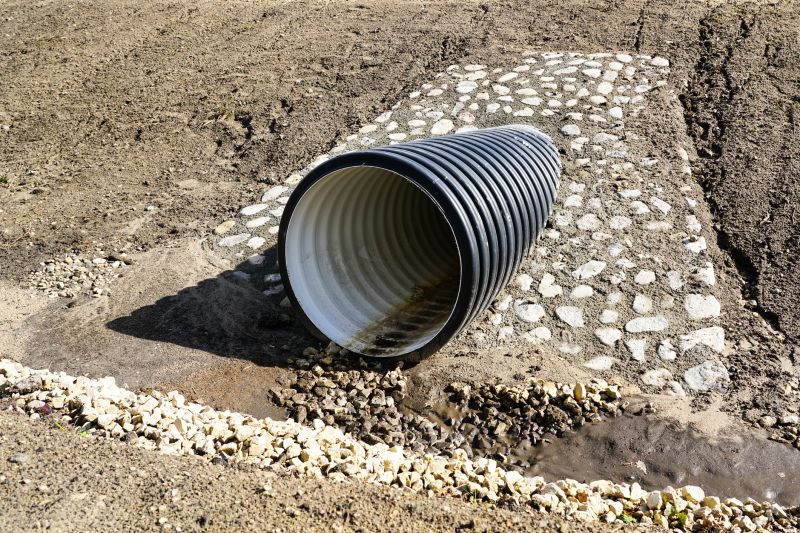
A finished driveway culvert that effectively manages water flow and supports driveway stability.
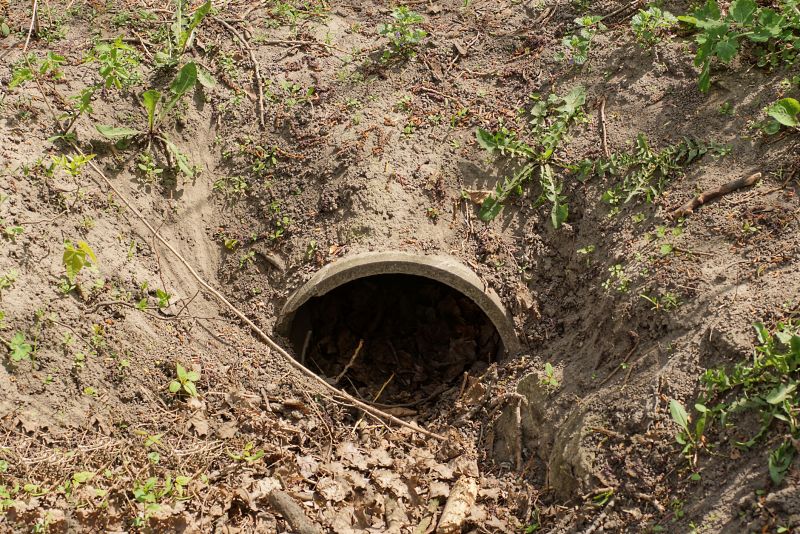
A driveway seamlessly integrated with a durable culvert system, ensuring proper drainage.
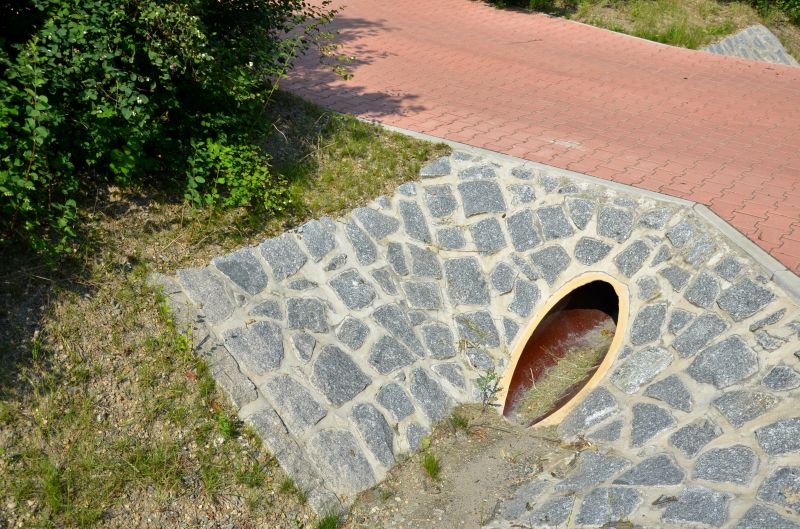
Inspection of the installed culvert to verify correct placement and functionality.
For those interested in upgrading or installing a new culvert system, it is advisable to seek detailed quotes and assessments from qualified contractors. Filling out the contact form provides an opportunity to discuss project specifics and receive tailored information on costs, timelines, and design options.