
Leading Products for Driveway Culvert Installations You Can Trust
Explore essential tools and materials that ensure durable and efficient driveway culvert setups for long-lasting results.
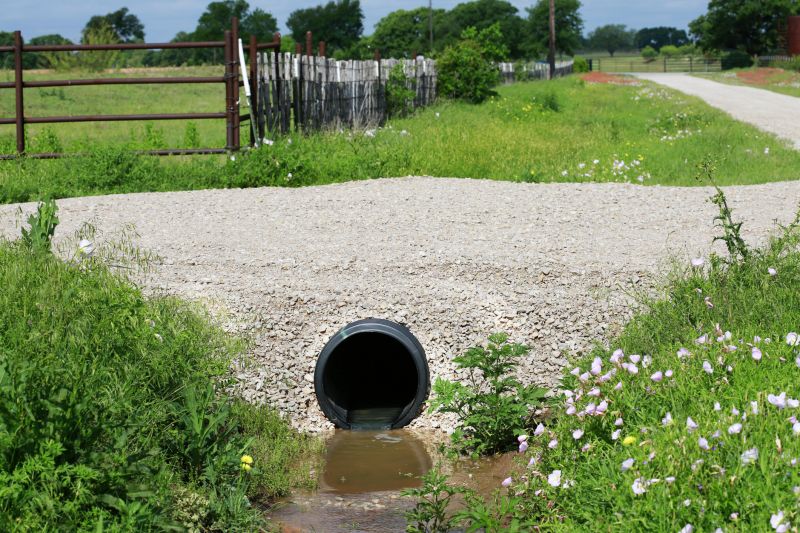 Installing a driveway culvert is a crucial step in ensuring proper drainage and longevity of your driveway. The right culvert products help manage water flow, prevent erosion, and support the structural integrity of the driveway over time. When selecting culvert materials, it is important to consider factors such as durability, size, and compatibility with your existing drainage system. Proper installation involves careful planning, accurate measurements, and choosing the appropriate product to match your specific needs.
Top Overall Option
High-Density Polyethylene (HDPE) Culvert Pipe
HDPE culvert pipes are widely regarded for their durability, resistance to corrosion, and ease of handling. They are flexible, lightweight, and available in various diameters and lengths, making them suitable for a variety of driveway drainage applications. Their smooth interior surface facilitates efficient water flow, and they can be easily joined with compatible fittings. HDPE culverts are often chosen for their longevity and minimal maintenance requirements, providing a reliable solution for driveway drainage needs.
Types of Products For Driveway Culvert Installations
Corrugated Metal Culverts
Known for their strength and durability, these culverts are suitable for heavy loads and rough terrain, offering reliable performance in driveway applications.
High-Density Polyethylene (HDPE) Culverts
Lightweight and resistant to corrosion, HDPE culverts are easy to install and maintain, making them a popular choice for many driveway projects.
Concrete Culverts
Offering high load-bearing capacity and long-term stability, concrete culverts are often used in more permanent driveway drainage solutions.
PVC Culvert Pipes
Polyvinyl chloride pipes are lightweight, resistant to chemicals, and easy to install, suitable for lighter driveway drainage needs.
Aluminum Culverts
Aluminum culverts provide a lightweight yet sturdy option, often used in less demanding driveway applications.
Flexible Drainage Pipes
Flexible pipes accommodate shifting ground and are easy to install in uneven terrains, suitable for temporary or less permanent installations.
Reinforced Concrete Pipes
These pipes combine concrete strength with reinforcement for added durability, ideal for high traffic or heavy load areas.
Perforated Drainage Pipes
Designed to allow water infiltration, perforated pipes are used for drainage systems that require water to seep into the pipe for dispersal.
Corrugated Plastic Culverts
Made from lightweight plastic, these culverts are easy to handle and install, suitable for various driveway drainage needs.
Box Culverts
Precast box culverts provide a large open channel for water flow, often used in larger driveway or roadway projects.
Popular Choices
A versatile and widely used option, HDPE culverts are favored for their ease of installation and resistance to corrosion.
Trusted for strength, these culverts are common in driveway projects requiring heavy load capacity.
Long-standing in drainage applications, concrete culverts are often selected for their durability and stability.
Lightweight and easy to install, PVC pipes are a common choice for less demanding driveway drainage systems.
Ideal for drainage systems that require water dispersal, perforated pipes are frequently used in driveway setups.
Offering additional strength, these pipes are popular for high-traffic driveway applications.
Their adaptability makes flexible pipes a trending choice for uneven or shifting ground conditions.
A lightweight alternative with good durability, often selected for specific driveway projects.
Large and versatile, box culverts are frequently used in driveway and small roadway installations requiring significant water flow capacity.
Driveway culverts come in various forms, including corrugated metal, high-density polyethylene (HDPE), and concrete options. Each material offers distinct advantages; for instance, corrugated metal culverts are known for their strength and ease of installation, while HDPE culverts are lightweight and resistant to corrosion. Concrete culverts provide a more permanent solution with high load-bearing capacity but may require more extensive installation procedures.
Ensuring the correct size and diameter of the culvert is essential for effective water flow management. A culvert that is too small can lead to water backup and potential flooding, while an oversized culvert may be unnecessarily costly and difficult to install. Additionally, considering the length, wall thickness, and connection options can influence the overall performance and longevity of the culvert system. Proper bedding and backfill techniques also play a vital role in maintaining the integrity of the installation.
Selecting the right culvert product involves balancing these considerations with your budget, local regulations, and specific site conditions. Consulting with drainage or construction professionals can provide valuable insights to optimize your culvert installation. By choosing the appropriate products and following best practices, you can create a durable, functional, and efficient driveway drainage system that meets your long-term needs.
Key Buying Considerations
- Material durability and resistance to corrosion or decay
- Appropriate diameter and length for your drainage needs
- Load-bearing capacity suitable for driveway traffic and weight
- Ease of installation and handling, especially for DIY projects
- Compatibility with existing drainage systems and fittings
- Cost-effectiveness relative to project requirements
- Compliance with local building codes and regulations
- Resistance to environmental factors such as UV exposure or chemicals
- Availability of fittings and accessories for seamless connections
- Long-term maintenance requirements and lifespan
- Ground conditions and soil stability at the installation site
- Potential for future expansion or modifications
- Ease of transportation and storage before installation
- Environmental considerations, if any, related to material choices
- Manufacturer reputation and product reviews for reliability